
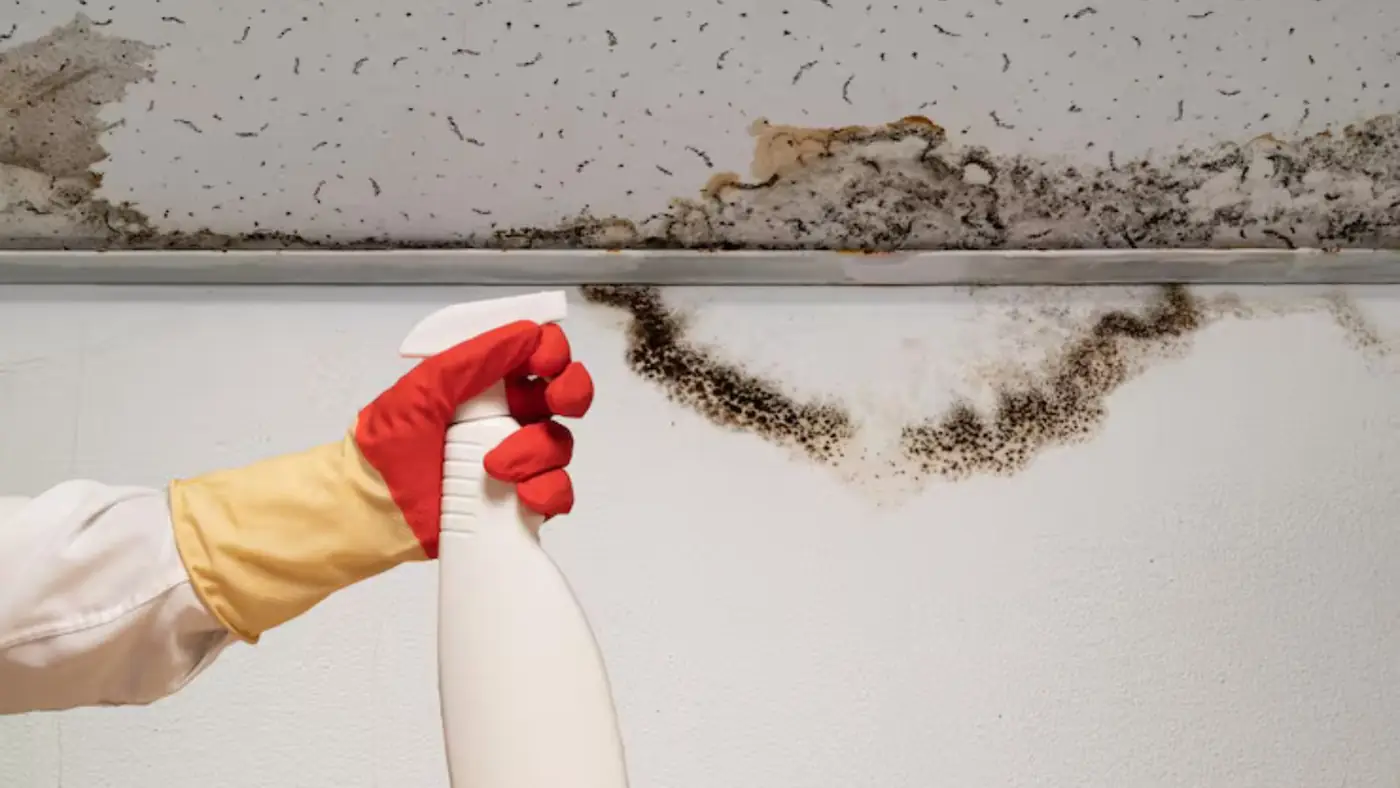
Black mold on a bathroom ceiling in Broomfield, CO is dark growth on drywall or paint where steam and splashing keep the surface damp. The CDC describes the mold people call black mold, Stachybotrys chartarum, as greenish-black and says it grows on damp cellulose such as drywall and paper. It needs ongoing moisture, so the real job is removing the growth and stopping the dampness behind it.
The direct questionIs It Dangerous? What the CDC Says and What It Does Not
We are a restoration company and cannot answer health questions. What we can do is pass along what the CDC states. A link between this mold and acute pulmonary hemorrhage in infants has not been proven, and no test shows that this mold causes particular symptoms.
The CDC also says reactions vary, and that people with asthma, mold allergy, weakened immunity or chronic lung disease can be affected more. If anyone in your home falls into those groups, or if you simply have a health concern, ask a physician. The CDC adds that mold found in buildings should be removed.
You do not need to know the species
Naming the species is optional. According to the CDC, removal works the same way for every mold, so no identification is required first. A dark spot on the ceiling gets one plan either way: fix moisture, remove growth and dry the surface.
Why the Bathroom Ceiling Grows It
Spores exist both inside and outside the house, and dampness is what lets them grow. A bathroom supplies that dampness every day, and the ceiling is the coolest, least-wiped surface in the room. Steam rises, meets that surface and leaves a film of water.
Weak ventilation
A fan that is undersized, clogged or ducted into the attic can leave humid air sitting overhead. Check that the fan moves air by holding tissue to the grille.
Short fan run time
Humidity lingers well after the shower ends. Leaving the fan on after you finish gives the ceiling time to dry.
Hidden leaks above
A drip from a tub drain, a supply fitting or a roof can wet the ceiling from the back. If the stain keeps returning after cleaning, look above.
Cold surfaces
Ceilings under cold attic spaces run cooler in winter, which encourages water to condense there. Insulation gaps and a poor vapor path can add to it.
What to Do by Size and Condition
In Mold Cleanup in Your Home, the EPA sets the self-cleanup line near 10 square feet, a patch about 3 ft on a side. Larger growth or significant water damage should follow the EPA's remediation guidance for schools and commercial buildings. Use the table as a starting point, not a diagnosis.
| What you see | Likely action |
|---|---|
| Light spotting on painted drywall, under about 10 sq ft, ceiling firm | Fix the moisture, scrub with detergent and water, dry fully. Wear gloves and eye protection. |
| Patch near 10 sq ft or more, or spreading across several spots | Plan for professional containment, HEPA air filtration and removal. Stop disturbing it. |
| Drywall soft, sagging, stained from above | Treat as water damage first. The board and insulation likely need removal and drying. |
| Growth returns after you clean it | A moisture source is still active. Inspect the fan duct, attic and plumbing above. |
| Growth near a ceiling fan duct, vent or HVAC register | Call for assessment. Air handling can spread spores, so avoid running the system. |
| Sewage or drain water involved | Do not clean it yourself. Call a professional and keep the area closed. |
Mold testing does not replace fixing moisture. A test result tells you what was in the sample, not why it grew.
Spots on the ceiling and no clear cause?
Call and describe the size and where it sits. We will explain scope and price before any work starts.
A Careful Cleaning Sequence for Small Patches
- Turn on the fan, open a window if you can, and keep the rest of the house closed off from the room.
- Put on gloves and eye protection. Add a respirator if the product or your doctor suggests one.
- Scrub hard, painted surfaces with detergent and water, then dry them fully.
- Discard ceiling tiles or other porous material that has grown mold.
- Hold the paint and caulk until the growth is gone and the surface is dry.
That sequence follows what the EPA says about small areas, and it only works when the moisture is gone. If you scrub and the spots return within weeks, stop and look for the source. Our mold remediation service covers cases beyond the small-patch guideline.
Broomfield note: drywall repair needs a permit
Ceiling board that has to come out falls under the city's permit rules for drywall work. Check with the Building Division before the rebuild starts and ask what applies to your repair, so the schedule does not stall.
Census QuickFacts lists 62.7 percent of Broomfield housing as owner-occupied. If you own the home, a ceiling that is opened and closed up properly protects what you own, so keep photos and receipts from the removal and the rebuild.
What a Professional Visit Looks Like
People often expect a spray and a wipe. The work is closer to a short project, because growth that sits on damp board has to be separated from the rest of the house before it is disturbed.
Find the moisture
Moisture meters and thermal imaging show whether the ceiling is wet from steam, a leak above or a cold spot. The source decides everything that follows.
Contain the room
Containment barriers seal the bathroom and a negative air machine keeps air moving out of the work area. HEPA air filtration captures fine particles.
Remove what cannot be cleaned
Soft or heavily grown drywall and insulation are cut out. Hard surfaces that can be cleaned are cleaned and dried.
Dry and verify
Air movers and LGR dehumidifiers dry the cavity, and readings confirm it before anything is closed up.
Published standards exist for this work, so ask each contractor you interview which one the crew follows. A written scope that covers the area, the method and the drying plan is a good sign.
When It Is Time to Call
Call when the area is larger than a small patch, the ceiling is soft, the stain keeps returning or you suspect a leak overhead. We will find where the water is coming from with moisture meters and thermal imaging, set up containment barriers and negative air machines when the job calls for them, and remove what cannot be cleaned. Rebuilding the ceiling afterward falls under our water damage repair work.
Plumbing and fan installation are outside our work, so a plumber or electrician handles those fixes. We also respond to calls in Westminster and Lafayette. Water on wiring or fixtures means 911 or the utility comes first.
No. The CDC says the species does not need to be named, because removal is the same for any mold. Testing can still be useful in some situations, but it does not replace fixing the moisture.
A small patch under about 10 square feet is within what the EPA says most people can handle. Use detergent and water on hard surfaces, then dry them completely. Ceiling tiles and other porous items may have to go in the trash.
No. Paint over a damp, moldy surface hides the spot and keeps the problem. The EPA advises cleaning up the growth and drying the surface first.
That is a question for a physician, not a restoration company. The CDC says reactions vary and some people, including those with asthma or mold allergy, can be affected more. Mention your concern to a clinician.
Drywall work is on the city's permit list. Ask the Building Division what applies to your job, and do it before the rebuild starts.
Water or mold in your home right now?
Call the 24/7 line and describe what you see. We explain scope and price before work starts.