
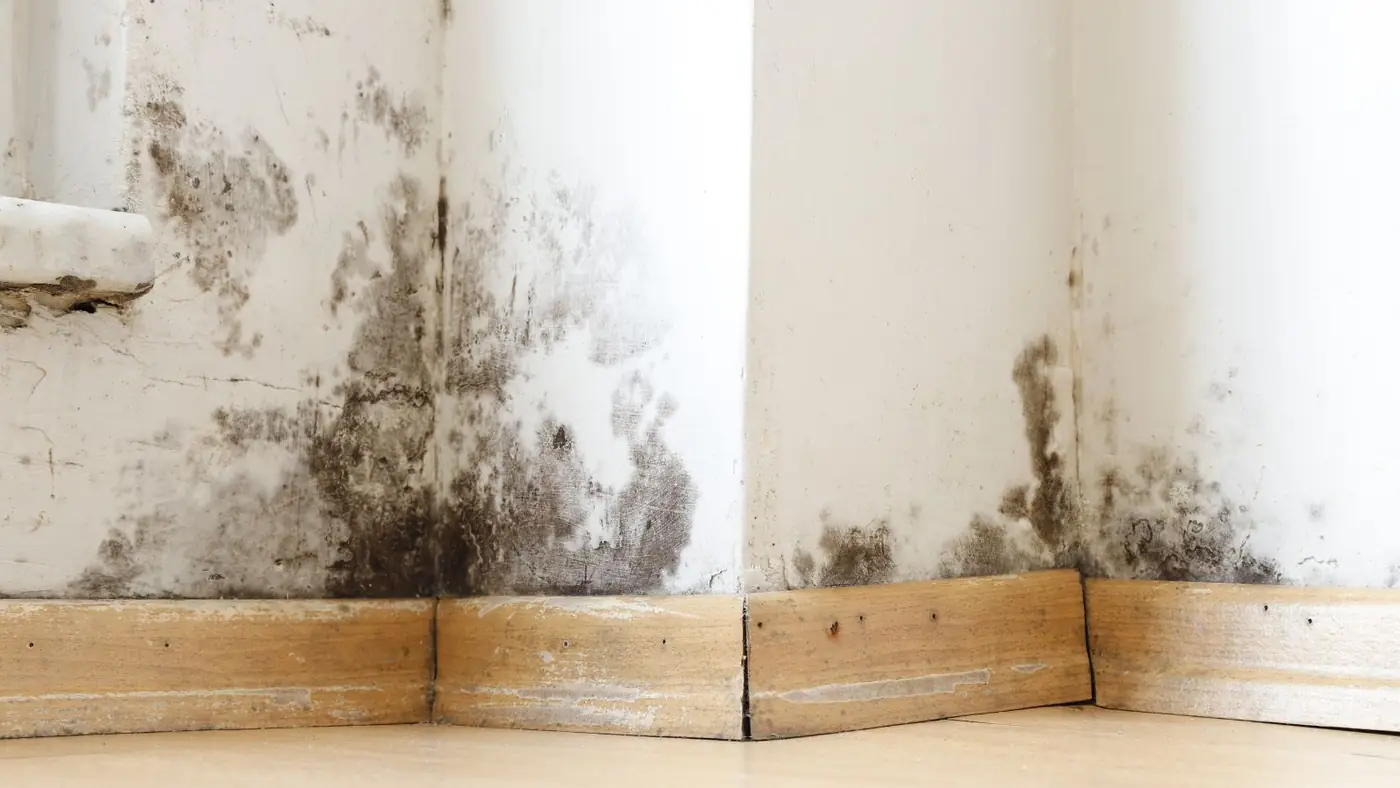
Vinegar is a popular answer to black mold in Broomfield, CO, but the question that matters is different: what removes the growth and keeps the surface from getting wet again? The CDC's position is that mold found in buildings should be taken out, not sprayed. A spray on top of a damp wall is not removal, and it does nothing about the water.
Short answer
We do not claim vinegar or any household product settles the problem. Removal and moisture control do. Fix the leak, remove or clean the growth the way the EPA describes, and dry the area fully.
Five Common Beliefs, Sorted Against What the Agencies Say
Myth: a spray ends the problem
A surface product is aimed at what you can see. The CDC says the approach is removal, and growth needs ongoing moisture, so a dry surface matters more than the spray.
Myth: you must identify black mold first
The CDC says identifying the species is not necessary because all molds are handled the same way for removal.
Myth: painting over it seals it in
A coating or sealant is not a fix. The EPA advises against painting or caulking moldy surfaces, so clean and dry the area before any paint goes on.
Myth: a test tells you what to do
A test shows what was in a sample. No test shows that this mold causes particular symptoms, according to the CDC, and a result does not fix a wet wall.
Myth: any dark spot is black mold
Stachybotrys chartarum looks greenish-black, but color alone does not name it. Dirt, other molds and stains can look similar.
What the EPA Actually Recommends for Cleanup
The EPA's Mold Cleanup in Your Home page is short and specific. It begins with the water, telling readers to repair leaks promptly and get every wet item fully dry. For hard surfaces, its method is detergent and water followed by thorough drying.
On soft materials the page is blunt: moldy ceiling tiles, carpet and similar absorbent items may need to be discarded. It also warns against covering moldy surfaces. Notice what is missing from all of that: the page names detergent and water for hard surfaces, and it does not name vinegar.
Why Moisture Control Beats Any Surface Treatment
The CDC notes that mold is present indoors and outdoors and grows where there is moisture. That is the whole logic. If a wall, a ceiling or a cabinet floor stays damp, growth can return no matter what was wiped over it.
Think of the work in this order: find the water, stop it, remove or clean the growth, dry the materials, then verify with a moisture meter. The sprays belong, if anywhere, at the cleaning step. They do not replace the steps before and after it.
Find the water
Check supply lines, drains, appliance hoses, roof and window edges. A thermal camera helps trace cool, wet areas.
Stop the source
Close valves, fix the leak or call a plumber or roofer. We do not plumb or repair roofs.
Remove or clean
Small areas on hard surfaces: detergent and water. Soaked or porous materials: removal, often under containment.
Dry and confirm
Air movers and LGR dehumidifiers dry the area. A moisture meter confirms it before rebuilding.
Already tried a spray and it came back?
That usually means moisture is still in the wall. Call and we will explain scope and price first.
When Do-It-Yourself Stops Making Sense
The EPA puts the do-it-yourself cutoff at a patch of about 10 square feet, around 3 ft on each side. Past that size, or when the damage is from sewage, hidden inside a wall or near the HVAC system, a trained crew isolates the room with barriers, pulls air out with negative air machines and filters it through HEPA units. Our mold remediation work is built around that sequence.
A contractor should be able to say whether the crew follows ANSI/IICRC S520, the remediation standard for mold. A lab result on a sample cannot stand in for fixing moisture.
Broomfield note: insurers ask what you did
The Colorado Division of Insurance publishes consumer guidance for homeowners, and a request for your policy documents is the first step. Read what they say about water, mold and notice. The division's page names no claim deadline, so look in the policy itself for its notice terms.
Because an insurer may ask what you did and when, keep a short log. Write down the date you saw the growth, the leak you fixed, the products you used and the photos you took.
Questions Worth Asking About Any Mold Fix
Whether you hire help or do it yourself, a good plan answers the same few questions. Where did the water come from, and is it stopped? What will be removed, what will be cleaned and how will the area be kept separate from the rest of the house?
- How will drying be confirmed, and with what readings?
- What happens to wet drywall, insulation and carpet?
- Does the scope say anything about the cause, or only the surface?
- What will not be covered, such as plumbing or roof repair?
A written scope with price explained before work starts lets you compare plans on equal terms. A plan that skips the moisture question is a plan for a repeat visit. We would rather tell you that a leak needs a plumber first than clean around it.
Keep a simple record while you decide. Note where the growth sits, how wide it looks and whether the spot is cool or damp when you touch it. Take a photo in the same light every few days. A patch that stays the same on a dry surface tells a very different story from one that spreads after each shower or rain, and that difference helps any professional you call.
Check the likely feeders too. Look under sinks, around window frames, behind toilets and along exterior walls for slow dampness. A dehumidifier and steady airflow help a room dry, yet they cannot reach a wet wall cavity, which is why a meter reading is worth more than a hunch.
How Sprays and Home Treatments Can Complicate a Claim or a Repair
Heavy scrubbing and wet treatments can add water to a wall that is already damp. They can also stain, smear or spread growth across a larger area. If you plan to file a claim, photograph the area before you touch it.
Never mix cleaning products, and keep rooms ventilated. Some people react to mold more strongly than others, according to the CDC, and a physician is the right person to ask whether you should do this work at all.
We also respond to calls in Westminster and Erie. If water is still present, water damage cleanup comes before any mold work. Should water have reached any electrical equipment, phone the utility or 911 first and us second.
We do not make that claim, and neither does the EPA cleanup page. The CDC says mold found in buildings should be removed, and that growth needs ongoing moisture. Fix the water first, then remove or clean the growth and dry the area.
No. The CDC says identifying the species is not necessary because all molds are handled the same way for removal. A greenish-black color is not enough to name it.
Detergent and water, then dry completely. The page also says porous materials like ceiling tiles and carpet may have to be thrown away if moldy. It does not recommend painting or caulking over mold.
They may. Keep photos, receipts and a dated log of what you fixed and cleaned. Check your policy for its notice requirements and ask your insurer what applies.
Ask your insurer in writing and keep a dated copy of the request. Colorado gives insurers a short fixed window to hand the policy over, so follow up if nothing arrives.
Water or mold in your home right now?
Call the 24/7 line and describe what you see. We explain scope and price before work starts.