
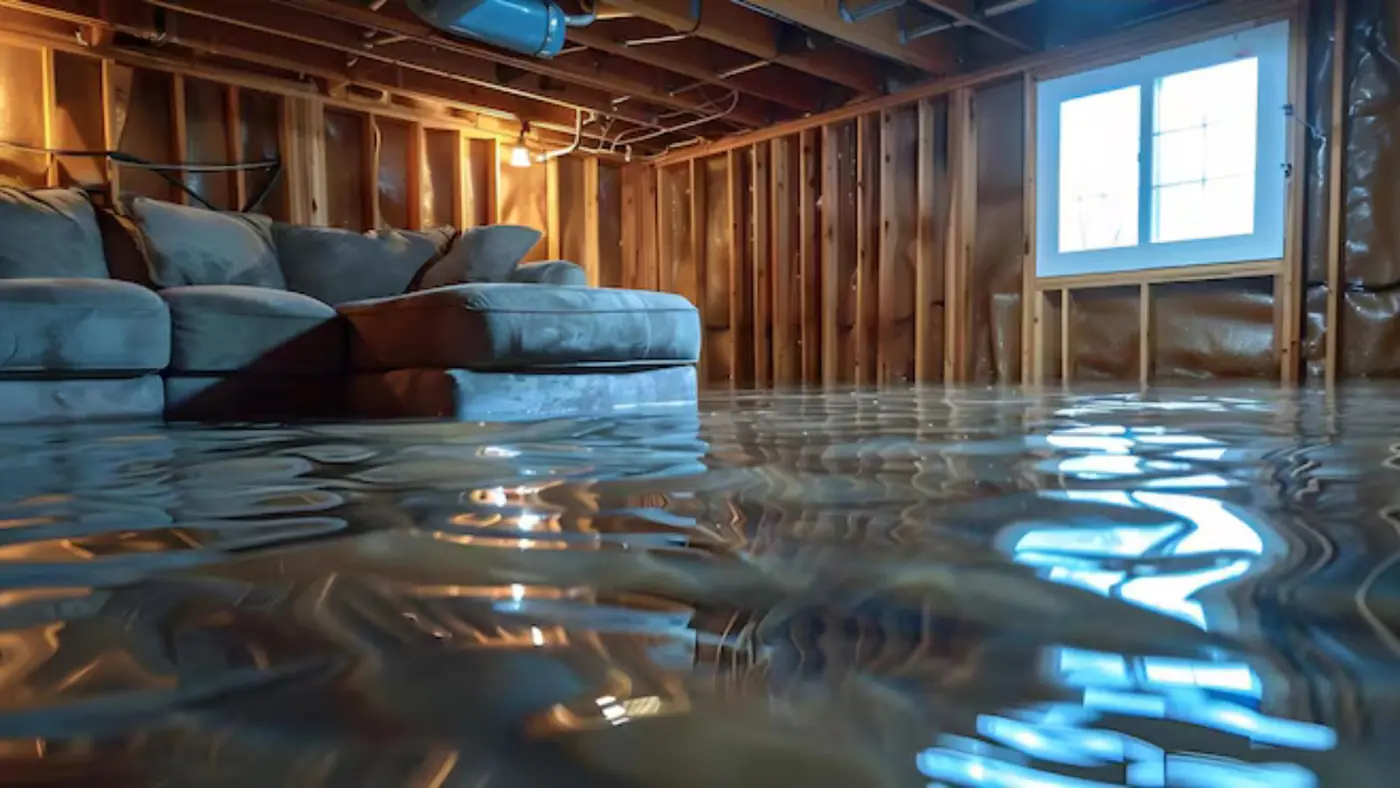
Flood damage cleanup in Broomfield, CO begins with safety, not with a mop. Floodwater is treated as contaminated until proven otherwise, so the first day is about shutting off hazards, documenting damage and getting wet materials out before they become a larger problem. This page lays out that day in order.
Before you touch anything
If water is near outlets, a panel, a furnace or a water heater, stay out and call your utility or 911 about electrical or gas risk before you call a restoration company. Do not wade through standing water in a basement while power is on. If sewage is involved, keep children and pets out of the area.
The First 24 Hours in Order
Get people and pets out of danger
Leave rooms with standing water if you cannot confirm the power is off. Call the utility or 911 for any electrical or gas concern.
Stop what you can
Close the main water valve if a supply line failed. If water is entering from outside, there is little to stop, so the focus shifts to safety and photos.
Photograph and note everything
Take wide shots first, then close-ups of waterlines, damaged belongings and appliances. Write down the time you first saw water.
Call your insurer and a restoration line
Ask your insurer what your policy covers and what it needs from you. Call us at (303) 952-8295 so extraction can start.
Begin removal with care
Lift what you safely can, set aside items to review, and leave heavy cleanup to a crew with pumps and protective equipment.
What to Photograph Before You Move Anything
Photos are the cheapest part of a claim and the easiest to skip when you are stressed. Take them before cleanup changes the scene. Shoot video as you walk each room, and say the room name aloud.
The waterline
Photograph the line on walls, cabinets and furniture with a tape measure or coin for scale.
Damaged belongings
Photograph each item you may need to claim, and keep a list with approximate age and where it was.
Appliances and utilities
Capture furnace, water heater, washer and electrical panel conditions without touching them.
The source
If a pipe, window well or sump failed, photograph the failure point and any visible cause.
Know Your Water: Three Categories
Restoration work sorts water into categories 1 to 3, a scheme from the ANSI/IICRC S500 standard. The category affects what can be dried in place and what must be removed. A professional decides it, but the table gives you a sense of the logic.
| Water category | Typical source | What it usually means |
|---|---|---|
| Category 1 | A broken supply line or clean tap water | Most materials can be dried if the response is prompt. |
| Category 2 | Washer or dishwasher overflow, some appliance discharge | Carpet pad and soft materials are commonly removed. Hard surfaces can be cleaned. |
| Category 3 | Sewage, rising river or stormwater | Treat as contaminated. Porous materials such as carpet and drywall are usually removed. |
Clean water can degrade to a worse category if it sits. The category can change as time passes.
Basement Flooding: A Careful Sequence
- Confirm the power to the basement is off before you step into water.
- Look for the source. A sump failure, window well or foundation seep needs different follow-up than a burst pipe.
- Remove water with extraction units. Pumping all at once from a saturated area can stress walls and floors, so a crew pumps in stages.
- Pull wet carpet, pad and baseboards, and cut drywall back to dry material if it wicked water upward.
- Dry the structure with air movers and LGR dehumidifiers, and track readings until materials are dry.
- Sort belongings into clean, cleanable and discard piles. Keep photos of everything discarded.
Save, clean or discard
A quick sort keeps the cleanup moving. Work from the least porous items to the most porous, and photograph before you discard.
- Usually cleanable: glass, metal, hard plastic and sealed tile that sat in clean water.
- Often discarded: carpet pad, upholstered furniture and particleboard that sat in contaminated water.
- Ask first: books, photos, documents and electronics, which need individual decisions.
Keep the first day simple. Anything you cannot judge can wait for a crew with moisture meters and thermal imaging. Rushing to throw out or keep items often leads to regret on both sides.
Water in the basement now?
Call the 24/7 line. We explain scope and price before any work starts.
What We Do and Do Not Do
We extract water, remove wet materials, dry the structure and clean the area. Basement waterproofing and plumbing are outside our scope. If water keeps entering from the outside, a waterproofing contractor or a plumber addresses the cause while we handle the damage.
Our extraction work reaches homes across the 80020, 80021 and 80023 ZIPs, and we also respond to calls in Erie and Lafayette. For rising water and heavy cleanup, see our flood damage restoration service, or call about emergency water removal when water is still standing. Once the area is dry, water damage cleanup and rebuild follow.
Broomfield note: floodplains, flash floods and your address
The City and County of Broomfield maintains floodplain information for the City Park Channel and South Tributary, including a floodway between Spader Way and Compton Street. The city says it applies standards stricter than FEMA minimums, and it is revising FEMA flood map panels. Use the city's online floodplain search tool to look up your address, and check the FEMA flood map too.
Flooding here is not hypothetical. The National Weather Service summary of the September 2013 Front Range flood says the most significant flash flooding in the northern Denver metro area fell from Northglenn to around Broomfield on September 15. Use that as a reason to look up your address now rather than during a storm.
A 1997 FEMA study also flagged the City Park Channel in southwest Broomfield as a principal flood concern, though that is old data and the maps are being revised. Ask your insurer about flood coverage before the next storm season, because homeowners policies generally leave flood out.
Anyone who does carry flood coverage should open the claim promptly, and the policy itself lists its notice terms.
Claims, Costs and Who to Call
Hotel bills during an evacuation are generally not paid by a homeowners policy, according to the Colorado Division of Insurance, so ask your insurer before you book. Request your full policy too, and read its flood and water backup sections.
Drywall and flood repairs need permits in Broomfield, so raise it with the city's Building Division before a contractor starts. Ask what applies to your project.
Only after the power is off and you are sure no sewage is involved. Standing water is heavy and often contaminated, and wet drywall can fail. If in doubt, wait for a crew with pumps and protective gear.
Usually not. The Colorado Division of Insurance describes flood as typically outside homeowners coverage. Flood coverage is separate and is often purchased through the NFIP at floodsmart.gov. Check your policy and ask your insurer what applies.
The city provides an online floodplain search tool and information on the City Park Channel and South Tributary floodplains. Look up your address, then check the FEMA flood map. The city is revising FEMA map panels, so rechecking later is wise.
Hard, nonporous items can often be cleaned. Carpet, pad and soft furnishings that sat in contaminated water are usually discarded. Photograph everything first and keep your insurer informed.
Yes, when drying was delayed or hidden moisture remains. We use moisture meters and containment where needed. A test is no replacement for fixing moisture, so drying comes first.
Water or mold in your home right now?
Call the 24/7 line and describe what you see. We explain scope and price before work starts.