
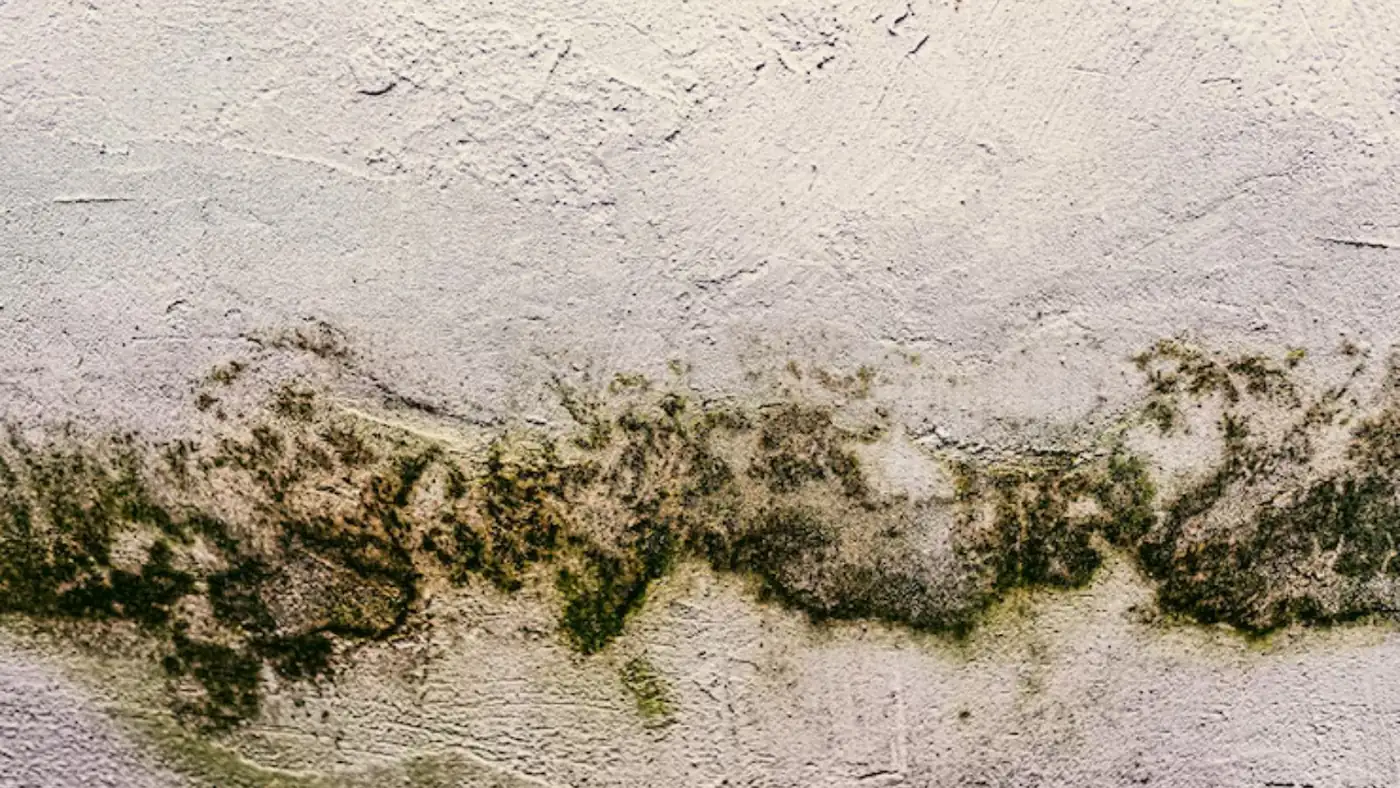
Mold is a type of fungus that grows on damp surfaces, and mildew is the term most people use for light mold growth on surfaces like bathroom tile and window sills. In Broomfield, CO the practical difference matters less than the cause, because both need moisture to grow. Find the water, dry the surface and clean or remove what grew.
DefinitionsMold Versus Mildew in General Terms
Archived EPA guidance treats mildew as a type of mold or surface growth, and notes it is often the word used for light growth in bathrooms. That is why you may hear both words for the same gray, white or dark film. Do not rely on color to name it.
The CDC says mold is present indoors and outdoors and grows where there is moisture. So the question is rarely whether spores exist in your house. The better question is whether any surface stays wet long enough for them to settle in.
| Trait | Mildew (usual use) | Mold (usual use) |
|---|---|---|
| Where it shows | Surface film on tile, grout, sills and shower curtains | Surface or inside materials such as drywall, ceiling tile and wood |
| How it looks | Flat, powdery or patchy, often light in color | Fuzzy, spotted or stained, in many colors |
| Typical handling | Wipe with detergent and water, then dry | Fix the water, then clean or remove depending on the material |
These are everyday labels, not lab categories. A professional treats growth by where it is and how wet the material got.
Where Mold Grows Inside a House
Growth follows moisture, and moisture follows a few predictable paths. Check these places first before you assume the problem is bigger than it is.
Bathrooms
Showers, fan ducts and ceilings stay damp after use. Grout lines and caulk joints catch the film first.
Under sinks
A weeping trap or supply fitting can wet the cabinet floor for weeks. Look with a flashlight and feel for swollen particleboard.
Basements and lower levels
Cool concrete and closed storage invite condensation. Boxes pushed against an exterior wall can stay damp unseen.
Windows
Condensation on glass drips onto sills and frames, and cold-weather moisture can leave dark edges.
Behind appliances
Washers, dishwashers and refrigerator water lines leak slowly behind a finished panel.
Attics and HVAC
Roof leaks, poor ventilation and condensate pans can wet insulation and ducts above the living space.
Four Moisture Sources That Are Easy to Miss
Slow plumbing leaks
A drip at a fitting or a failing seal can run for weeks. Check shutoff valves, toilet bases and tub drains for dampness or staining.
Humidity from daily life
Showers, cooking and drying clothes indoors add moisture. Run fans and keep air moving.
Roof and window entry
Snowmelt and rain find gaps at flashing and frames. Look for ceiling stains after storms.
Past water events
Wet drywall or carpet that was not dried fully can stay damp. If a leak was never dried properly, treat the area as suspect.
Found growth and not sure how far it goes?
Describe where it is and how large. We explain scope and price before any work starts.
How a Single Wet Event Turns Into Growth
A spill or a leak does not become a mold problem on its own schedule. It becomes one when wet material stays wet. Drywall paper, wood, carpet backing and insulation all hold water, and growth needs both that water and something to feed on.
That is why drying speed matters more than which product you wipe on. Pull wet rugs and boxes off the floor, run fans, open the area to air and get a reading on anything that still feels cool or damp. If the water was large or reached insulation or the wall cavity, emergency water removal and structural drying are the safer route.
What a surface clean does not fix
A wipe-down changes how a wall looks. It does not tell you whether the wall behind it is still wet. Verify with a moisture meter before you decide the job is done.
What Is Safe to Handle Yourself
For a small patch, the EPA's line sits near 10 square feet, around 3 ft on each side, and below it most people can do the cleanup themselves. Hard surfaces get detergent and water and a thorough drying. Soft items such as ceiling tiles and carpet might need to be thrown out if they grow mold.
Fix leaks first. A clean surface that keeps getting wet can grow again. No cleaner holds up if the moisture source is still there. Paint and caulk belong on clean, dry surfaces, so finish the cleanup first.
When It Needs a Professional
- The growth covers more than about 10 square feet or keeps spreading.
- Drywall, insulation or carpet was soaked by a leak, flood or sewage.
- You see growth around vents, ducts or inside the air handler.
- A musty smell stays strong after the area looks dry.
- Someone in the home has a health concern. Ask a physician about that, and have the moisture checked.
A professional visit starts with moisture meters and thermal imaging to find where the water went, then containment barriers, negative air machines and HEPA air filtration when removal is needed. Our mold remediation service follows that order, and water mitigation comes first if the area is still wet. A lab test is no substitute for drying the structure, and basement waterproofing is outside our work.
Broomfield note: you probably own the problem
Census QuickFacts reports 62.7 percent of Broomfield households are owner-occupied, out of 31,760 households. If you own your home, nobody else will notice a damp closet or a weeping cabinet for you. Build a habit of checking under sinks, behind toilets and around windows every season.
The same figures put median owner-occupied home value at $664,500 for 2020 to 2024, which makes early action on a small leak worth more than a late fix on a large one. If you rent, report moisture to your landlord in writing and keep a copy.
Questions to Ask Before You Hire Anyone
Ask for a written scope that names the area, the method and how drying will be confirmed. Ask which published standard the crew follows for mold remediation, and ask whether your state licenses mold work. A company that explains scope and price before work starts is easier to compare than one that quotes a total over the phone.
Also ask what the company does not do. Plumbing and basement waterproofing are not services we offer, so a plumber or a drainage specialist may still be part of the fix. Keep every document, since your insurer may ask what happened and what was done.
A Short Prevention Routine
Wipe condensation from windows and tile, run the bathroom fan after showers and keep furniture a few inches from exterior walls. Dry spills and wet items within a day. If you see staining, measure before you assume, and call us if the reading is high.
We serve homes in Westminster and Erie as well as our home ZIPs 80020, 80021 and 80023. If the damage came from a large leak, our water damage cleanup team handles the wet-material removal.
The EPA's archived guidance treats mildew as a type of mold or surface growth. The labels are loose, so handle either by fixing the moisture and cleaning or removing the growth.
No. Color is a poor guide, and the CDC says naming the species is unnecessary since removal is the same for all molds.
If you can see growth or smell damp, you already know there is a moisture problem. A test is no substitute for fixing moisture. A reading from a moisture meter often tells you more about what to do next.
Owners carry the repair and the record keeping, so photos, dates and receipts matter. Renters should report moisture to the landlord in writing. Either way, ask your insurer how your policy treats the cause.
Water or mold in your home right now?
Call the 24/7 line and describe what you see. We explain scope and price before work starts.